News + PR
Wheeler Bio Named One of America’s Greatest Startup Workplaces 2026
September 22, 2026

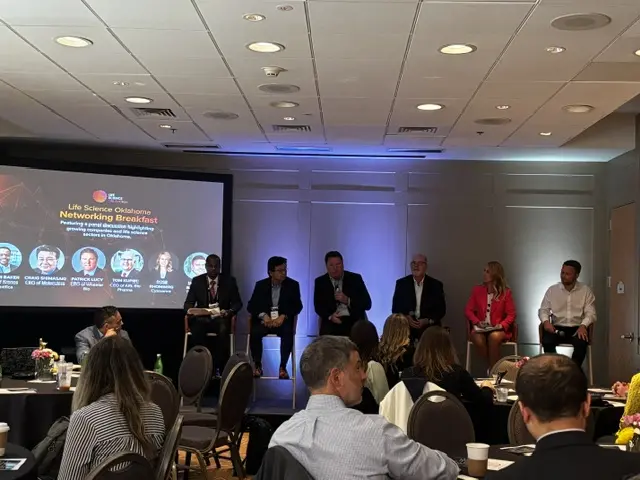
At the 2026 BIO International Conference in San Diego, June 22nd-25th, 2026, Life Science Oklahoma hosted a networking breakfast that featured a panel discussion among the leaders who are fostering healthcare and biotechnology innovation in Oklahoma. The conversation was moderated by Tabari Baker, PhD, of Kronos Scientifica, and spanned a range of topics that highlighted the particular advantages to growing life science organizations in Oklahoma. Wheeler Bio President and CEO, Patrick Lucy, joined counterparts from Moleculera, ARL Bio Pharma, Cytovance, and Tulsa Local Ventures on the panel.
The number one asset highlighted by the group of biotechnology leaders was the availability and stability of a highly skilled, dedicated workforce. All represented organizations boasted recruitment from all over the country, as well as the deep talent pool coming from Oklahoma Universities and high retention rates, with Patrick specifically citing Wheeler Bio’s <3% employee attrition rate in his years there. The panel speculated that the cost of living and Midwestern culture are increasingly appealing to talented scientists who are looking for a change from the high-cost coastal hubs. The result, they said, is fertile ground for a corporate culture maintained by a strong work ethic and deeply experienced employees who are collaborative and enthusiastic about the mission to positively impact human health.
The panel went on to praise the accessibility and support from federal, state, and local leaders of political and economic development groups, particularly in Oklahoma City. Specifically, they said that their organizations have been able to build effective public partnerships to advance initiatives to build infrastructure and attract investment.
The final major topic discussed by the panel representing growing life sciences companies in Oklahoma was the ability to stretch early investment dollars to build laboratories and manufacturing space, due to low building and overhead costs relative to other biotech hubs. While supply chains and margins for the services offered by these organizations are more globally set, the ability to be more aggressive with physical capacity growth early on has been a major strategic advantage for companies like Wheeler Bio.